This easy Biscoff Christmas Crack is made with Lotus Biscoff cookies, buttery homemade toffee, Biscoff spread and milk chocolate. It takes about 20 minutes of hands-on time and makes an easy Christmas candy for cookie trays, parties and homemade gifts.
✨ Make it for: Christmas cookie trays, holiday parties, homemade gifts and Christmas dessert boxes
If you love Biscoff, this Biscoff Christmas Crack might need a spot on your holiday baking list. It’s made with Lotus Biscoff cookies covered in buttery homemade toffee and milk chocolate, then finished with melted Biscoff spread and crushed cookies.
I make this Biscoff Christmas Crack every year, and it’s always the one people ask me to bring to holiday parties. It’s easy to make, makes a big batch, and works just as well for Christmas cookie trays and homemade gifts.
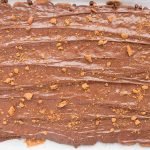
Biscoff Christmas crack is a twist on classic Christmas crack made with Lotus Biscoff cookies instead of saltine crackers. The cookies are covered with homemade brown sugar toffee mixed with Biscoff spread, baked until bubbly, then topped with chocolate and crushed Biscoff cookies. Once chilled, you can break or cut it into pieces for an easy Biscoff toffee bark-style Christmas candy.
Great for making ahead: It keeps well in the fridge, so you can make it before Christmas parties or holiday get-togethers.
Only 5 main ingredients: You just need Biscoff cookies, butter, brown sugar, Biscoff spread and chocolate.
Makes a big batch: One recipe makes about 24 pieces, making it easy to add to cookie trays or package for gifts.
Extra Biscoff flavor: Biscoff cookies make up the base and Biscoff spread is mixed right into the toffee, so you get that caramelized cookie flavor throughout.
I just made this for the first time for my mom. It was VERY good!
VICKI L.
What You’ll Need
Lotus Biscoff Cookies:Biscoff cookies replace the saltine crackers traditionally used in Christmas crack and add the caramelized, lightly spiced Biscoff flavor.
Butter: I use salted, but unsalted works too. Don’t substitute margarine because you’re relying on the butter and sugar to form the toffee.
Brown Sugar: Gives the toffee its caramel flavor. I’ve tested with both light and dark and both work.
Milk Chocolate: I like to use Callebut milk chocolate callets made with premium Belgian chocolate, but have also used semi-sweet chocolate chips with great results.
Biscoff Cookie Butter: If you can’t find the Lotus brand, you can use Speculoos/Cookie butter spread.
Heavy Whipping Cream: This is optional, but I recommend having it nearby when you make the toffee. If the mixture starts to get thick, clumpy or separated after adding the Biscoff spread, whisking in 1 tablespoon of heavy cream can help bring it back together. Add the second tablespoon only if needed.
*This page contains referral links for products I use and love. As an Amazon Associate, The Sprinkled Cakery earns a small commission on these links at no cost to you. Read my full disclosure here.
How to Make Biscoff Toffee Crack:
Time needed: 2 hours and 20 minutes
Preheat the Oven:
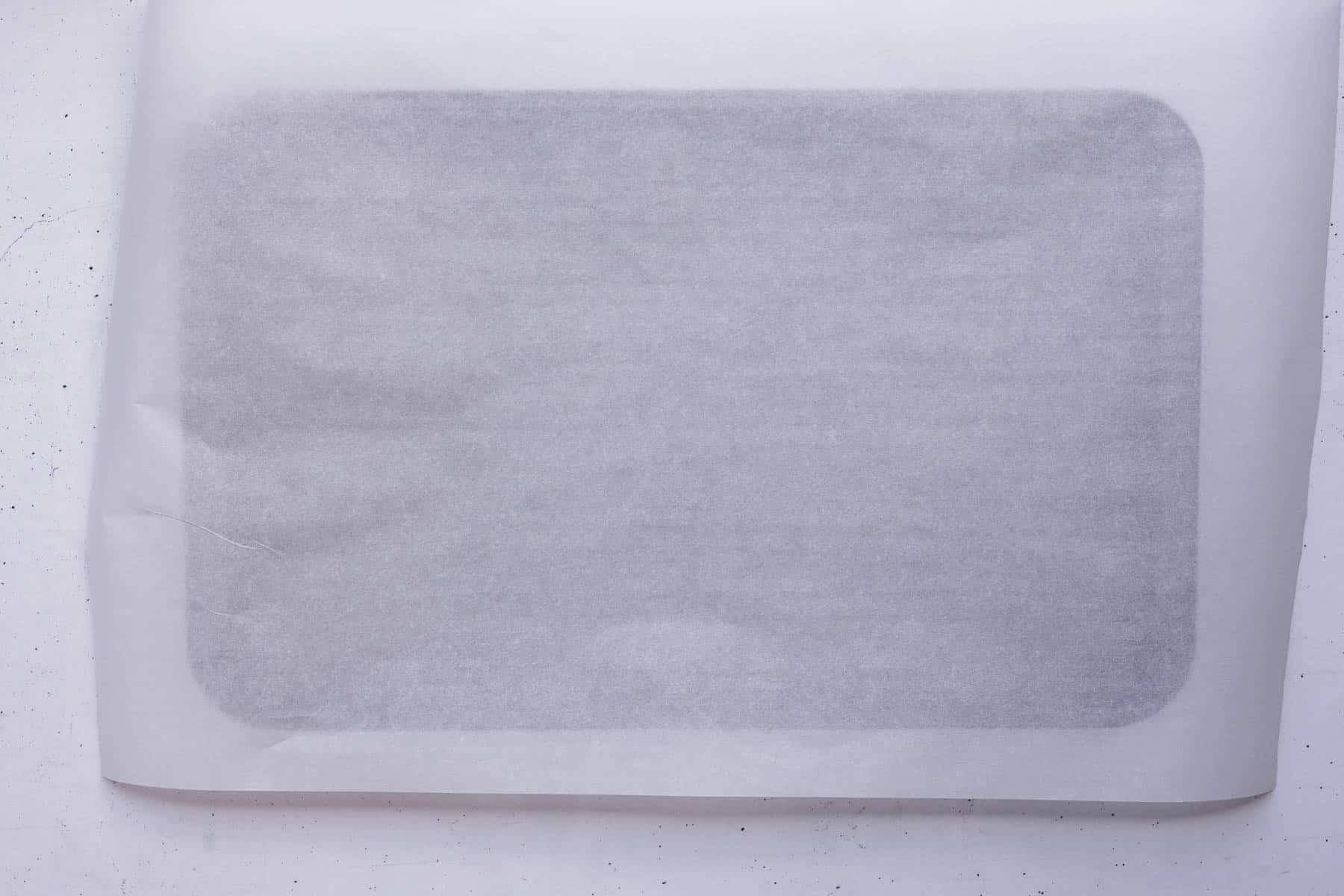
Preheat your oven to 325°F (162.8°C) and line a baking sheet with parchment paper for easy cleanup.
Prepare the Biscoff Cookie Base:
Lay out your Biscoff cookies lengthwise side by side until they fill the bottom of your pan. Set aside.
Cook the toffee:
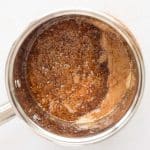
In a saucepan over medium heat, melt the butter and brown sugar, stirring as needed. Allow the mixture to come to a boil, then reduce heat and simmer gently for 2-3 minutes or until temperature reaches 275-285°F (135-141°C) on a candy thermometer. Do not let the temperature go above 300°F (150°C).
Melt Biscoff Spread and Add to Toffee:
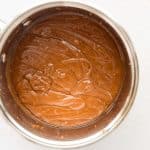
While the toffee is cooking, warm the Biscoff spread in the microwave for 20–30 seconds, just until it is melted, smooth and easy to pour.
Important: Don’t add cold Biscoff spread directly to the hot toffee. This can cause the mixture to seize or separate.
If the mixture looks thick or get a little clumpy, whisk in 1 tablespoon of heavy whipping cream to help bring the mixture back together. Add the second tablespoon only if necessary.
If the butter separates: Place the saucepan back over the lowest heat or on a warm burner with the heat turned off and whisk gently until the mixture becomes smooth and glossy again. If you haven’t already, whisk in 1 tablespoon of heavy whipping cream to help bring the mixture back together.
Assemble and Bake:
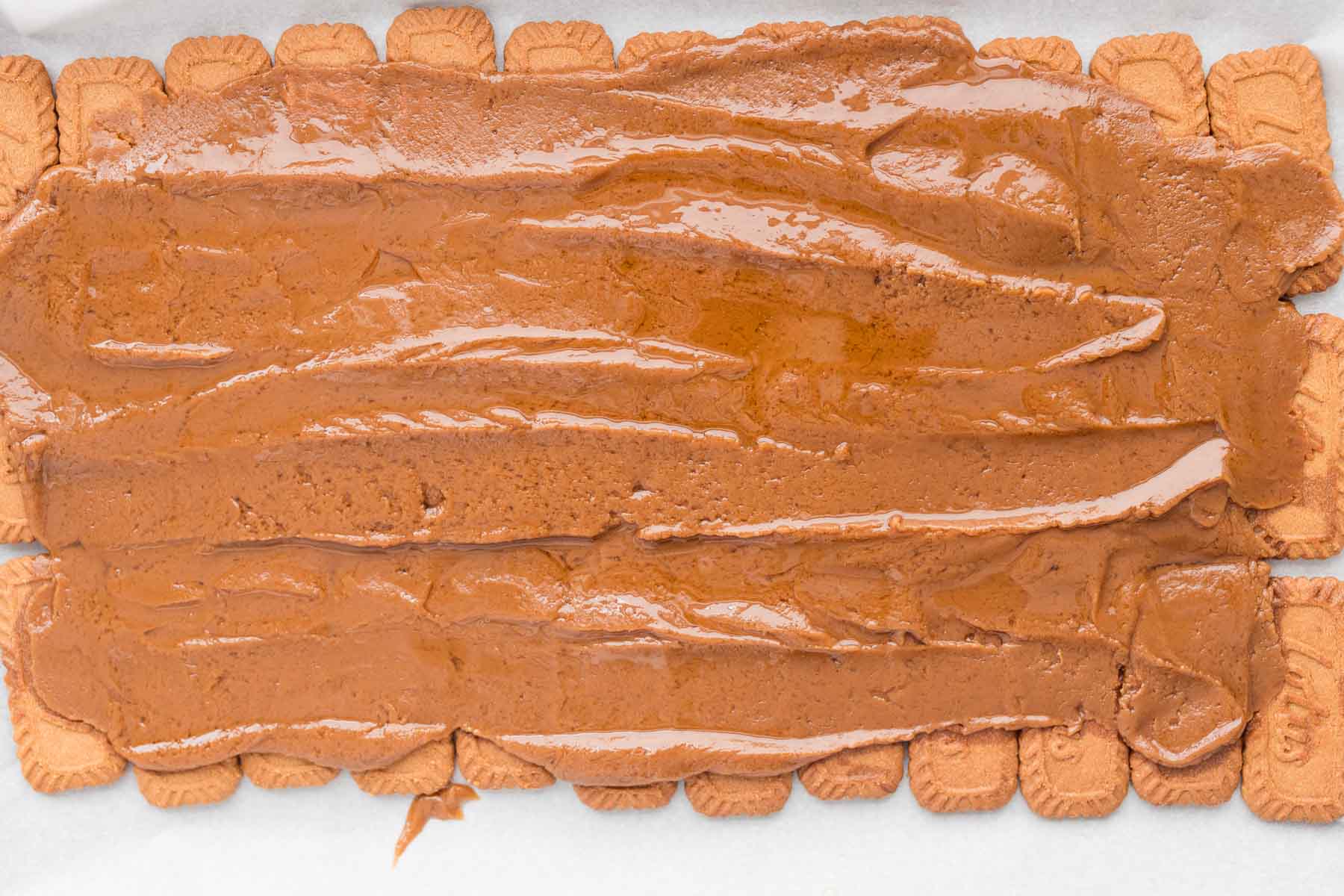
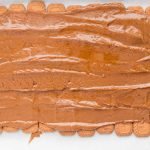
Spread the Biscoff toffee mixture evenly onto the prepared baking sheet with the biscoff cookies, creating a thin and even layer on top. You can use a silicone spatula to help spread the mixture if needed while using your hands to help you keep the cookies in place.
Place the baking sheet in the preheated oven and bake for approximately 5-7 minutes or until the toffee layer is bubbly and golden brown.
Add the Chocolate and Biscoff Cookie Crumbs:
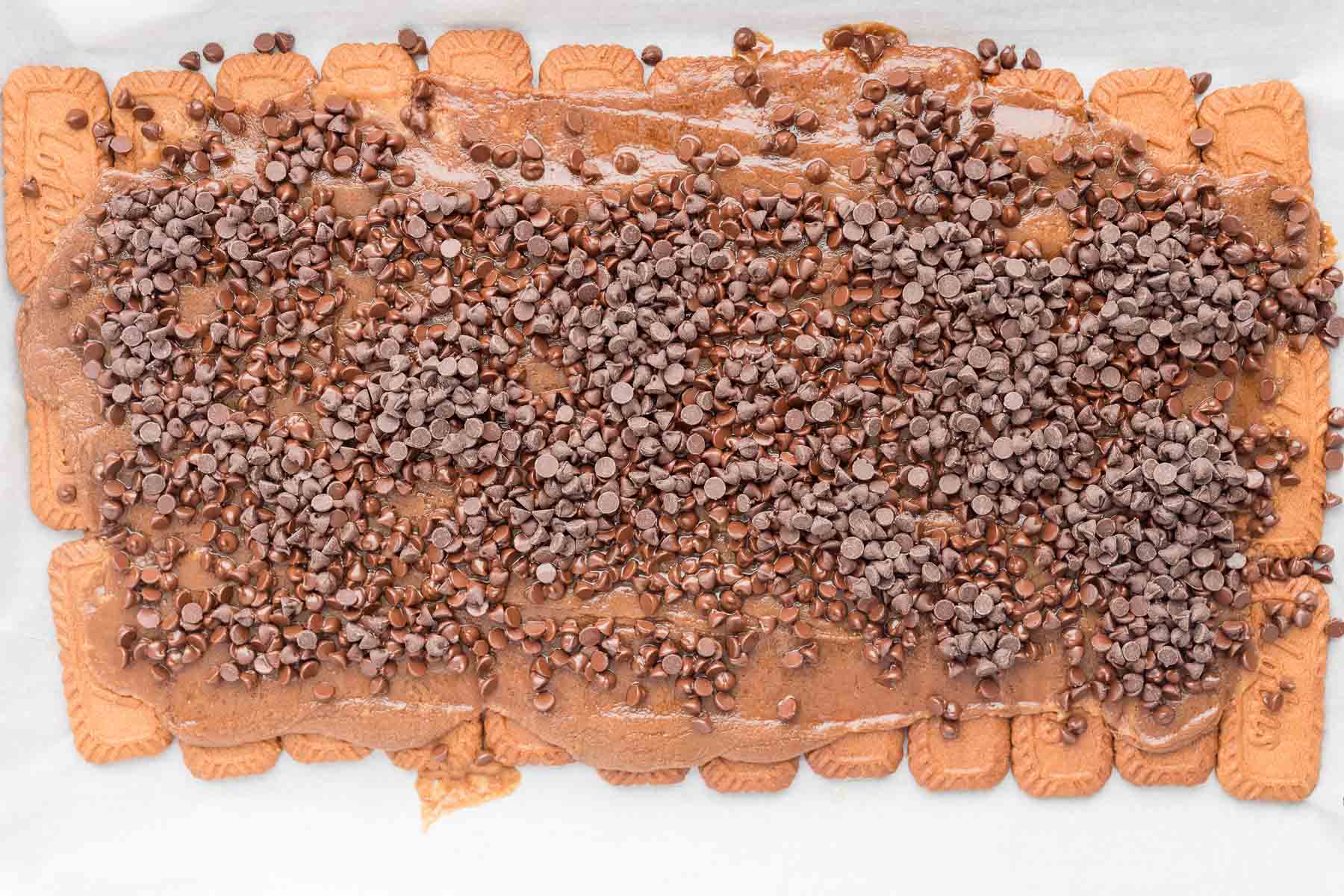
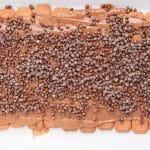
If you are using chocolate chips, you can sprinkle the milk chocolate chips over the top of the toffee layer once it comes out of the oven. Allow them to melt for a few minutes. If you are using real Belgian chocolate like I do, I recommend melting it first low and slow without breaking temper and then adding the melted chocolate to the warm toffee layer. Then sprinkle crushed Biscoff cookies on top and lightly press them in. Chill in the fridge for 2 hours (or overnight) until firm.
Break into Pieces:
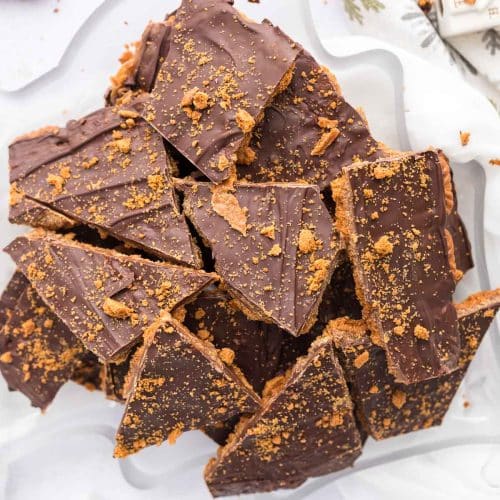
Once set, take the Biscoff Toffee Crack out of the refrigerator and break it into delicious bite-sized pieces.
How to Store Biscoff Christmas Crack
Biscoff Christmas crack is a great make-ahead Christmas treat because it keeps well in both the fridge and freezer. Store it in an airtight container in the refrigerator for up to 2 weeks, or freeze it for up to 2 months.
Freezing tips:
Let the toffee cool completely and the chocolate set.
Break into pieces before freezing for easy portioning.
Layer pieces in a container with parchment paper in between to prevent sticking.
Seal tightly to avoid freezer burn.
To serve: Remove from the freezer and thaw in the refrigerator overnight then let it sit on the counter until it comes to room temperature before opening. It helps prevent condensation, and keeps the toffee crunchy and the chocolate smooth.
Biscoff Christmas Crack for Gifting
Once the chocolate has completely set, break the Biscoff crack into smaller pieces and package it in treat bags, cookie tins or small gift boxes lined with parchment paper. If you’re stacking the pieces, add parchment between the layers to keep the chocolate looking neat.
Since you can make it ahead and store it in the fridge, it’s an easy one to prep before Christmas parties, teacher gifts or holiday cookie boxes.
Biscoff Toffee Troubleshooting Tips
Toffee can be a little finicky, especially once the Biscoff spread is added. I updated and retested this recipe after some readers had issues with the original version seizing. Here are the most common problems and what to do if you run into one.
My toffee seized when I added the Biscoff spread
Make sure the Biscoff spread is warm and fluid before adding it. Remove the toffee completely from the heat, then slowly add the warm Biscoff while gently whisking. If the mixture starts getting thick or clumpy, stop adding the Biscoff and whisk until smooth before continuing.
If needed, whisk in 1 tablespoon of heavy whipping cream to help bring everything back together. Add another tablespoon only if necessary.
My toffee looks oily or separated
If you see melted butter separating from the mixture, remove the saucepan from the heat and whisk gently. If it doesn’t come back together, place it over the lowest heat or on a warm burner with the heat turned off and continue whisking.
If you’ve already added the Biscoff, 1 tablespoon of heavy cream can also help bring the mixture back together.
My toffee is too thick to spread
The mixture thickens quickly as it cools, especially after adding the Biscoff. Have your Biscoff cookies arranged on the baking sheet before you start cooking and pour the toffee over them as soon as it is smooth.
Use a silicone spatula to gently spread it, but don’t worry about getting the layer perfectly even. It will loosen and bubble as it bakes.
Why didn’t my Biscoff Christmas crack set?
The toffee may not have reached a high enough temperature. I recommend using a candy thermometer and cooking the butter and brown sugar mixture to 275–285°F before removing it from the heat.
The toffee will continue cooking when it goes into the oven for 5–7 minutes and will firm up further as it cools and chills.
Why is my toffee too hard or burnt?
The mixture may have gotten too hot or cooked for too long. Use a candy thermometer and remove it from the heat once it reaches 275–285°F. Don’t wait for it to reach 300°F before adding the Biscoff.
My chocolate topping won’t spread
If you’re using chocolate chips, sprinkle them over the hot toffee as soon as it comes out of the oven and let them sit for a few minutes before spreading.
If you’re using real chocolate or couverture like I do, I prefer melting it separately over low heat before spreading it over the warm toffee.
Try dark or semi-sweet chocolate: If milk chocolate is a little too sweet for you, use semi-sweet or dark chocolate instead.
Use white chocolate: White chocolate also works well with the caramelized Biscoff flavor. Melt it separately before spreading it over the toffee for the smoothest finish.
Add extra Biscoff: Drizzle extra melted Biscoff on top of the chocolate and crush extra cookies over the chocolate before it sets for more crunch.
Add a little sea salt: A light sprinkle of flaky sea salt over the chocolate helps balance the sweetness of the toffee and Biscoff.
Q: How far in advance can I prepare Biscoff toffee?
Biscoff Christmas crack is a great make-ahead treat for the holidays. Once it has completely set, store it in an airtight container in the refrigerator for up to 2 weeks. This makes it easy to prep ahead for Christmas parties, cookie trays or homemade gifts.
Q: How long does Biscoff Christmas Crack last?
Biscoff Christmas crack will keep for up to 2 weeks when stored in an airtight container in the refrigerator. I like to place parchment paper between the layers to keep the pieces from sticking together.
Q: Why did my Biscoff toffee seize?
The Biscoff spread may have been too cold or the toffee too hot when the two were combined. Warm the Biscoff spread until it is smooth and fluid, then remove the toffee completely from the heat before slowly whisking it in. If the mixture starts to seize or separate, whisk in 1 tablespoon of heavy whipping cream to help bring it back together.
Q: Why didn’t my Christmas crack harden?
If the toffee stays soft after chilling, it may not have reached a high enough temperature during cooking. I recommend using a candy thermometer and cooking the butter and brown sugar mixture to 275–285°F before removing it from the heat. It will continue cooking for another 5–7 minutes in the oven and firm up as it cools.
What can I use instead of Biscoff cookies?
Speculoos-style cookies are the closest substitute because they have a similar caramelized, spiced flavor. You could also use another crisp cookie or cracker, but keep in mind that changing the base will change the flavor and texture of the finished Christmas crack.
Why did my toffee separate?
Toffee can separate if the butter and sugar heat too quickly or unevenly. This usually happens when the temperature is too high or the mixture isn’t stirred enough. To prevent this, cook your toffee slowly over medium heat and stir gently but constantly while it bubbles. If you notice the butter separating, remove it from the heat and whisk vigorously until it comes back together, it usually saves it! Using a heavy-bottomed saucepan also helps distribute the heat evenly.
This Biscoff Toffee Crack is an easy Christmas candy made with buttery toffee, creamy Biscoff spread, crunchy Biscoff cookies, and smooth chocolate. A festive, no-fuss holiday treat everyone will love. Ready in just 20 minutes with only 5 ingredients! RECIPE UPDATED DECEMBER 17, 2025
1cupchocolate chips of your choice – I like to use Callebut milk chocolate callets made with premium Belgian chocolatebut have also used semi-sweet chocolate chips with great results.
4Biscoff cookiescrushed for topping
Instructions
Preheat oven to 325°F (163°C ) and line a baking sheet with parchment paper.
Arrange cookies in a single layer to cover the pan.
36 Biscoff cookies
Cook the toffee: In a saucepan over medium heat, melt the butter and brown sugar, stirring as needed. Allow the mixture to come to a boil, then reduce heat and simmer gently for 2-3 minutes or until temperature reaches 275-285°F (135-141°C) on a candy thermometer. Do not let the temperature go above 300°F (150°C).
¾ cup butter, ¾ cup brown sugar
Warm the Biscoff Spread
While the toffee is cooking, warm the Biscoff spread in the microwave for 20–30 seconds, just until it is melted, smooth and easy to pour.Important: Don't add cold Biscoff spread directly to the hot toffee. This can cause the mixture to seize or separate.
Add the Biscoff to the Toffee
Once the toffee reaches 275–285°F, remove the saucepan completely from the heat. Slowly add the warm Biscoff spread while gently whisking until smooth.If the mixture starts getting thick or clumpy, stop adding the Biscoff and whisk until it smooths out before continuing.If needed, whisk in 1 tablespoon of heavy whipping cream to help bring the mixture back together. Add the second tablespoon only if necessary.If the butter separates: Place the saucepan back over the lowest heat or on a warm burner with the heat turned off and whisk gently until the mixture becomes smooth and glossy again.
1-2 tbsp heavy cream, 3/4 cup Biscoff spread
Toffee Tip: Warm the Biscoff spread before starting and have it ready to go. Once the butter and brown sugar mixture reaches 275–285°F, remove the saucepan completely from the heat before slowly whisking in the warm Biscoff. Don't add cold Biscoff spread directly to the hot toffee.If the mixture starts to seize, thicken or separate, whisk in 1 tablespoon of heavy whipping cream. Add a second tablespoon only if needed.
Pour the toffee over the cookies and use a silicone spatula to spread evenly. You may need to use your hands to keep the cookies steady while spreading but be careful not to let the hot toffee touch you. Don't worry about it being perfect, it will continue to spread while baking.
Bake in the preheated oven for 5-7 minutes. Remove from overn and sprinkle chocolate chips on top and let sit for a couple of minutes to melt, then spread evenly.
Top with crushed cookies. Chill for 2 hours or overnight in the refrigerator.
4 Biscoff cookies
Break into pieces and enjoy!
Notes
If your toffee separates or turns grainy, it usually means the butter and sugar didn’t stay properly emulsified. To prevent this, keep the heat at medium (not high) and stir constantly until the mixture is fully smooth and bubbling. If you notice it starting to separate, remove it from the heat and whisk in the heavy whipping cream vigorously to bring it back together before pouring.
Storage: Keep in an airtight container in the refrigerator for up to 2 weeks, or freeze for up to 2 months.Troubleshooting Tips:
If the toffee looks oily or separated, place the pan back on very low heat and whisk until smooth.
If it gets clumpy or seizes, whisk in 1–2 tbsp heavy cream to bring it back together.
Cook over medium-low heat for best results — high heat can cause separation.
If the toffee thickens too fast, gently warm it again to loosen before spreading.
Estimated Macros (Per Serving — 24 servings)
Based on standard Biscoff cookies, regular butter, brown sugar, milk chocolate chips, and 2 tbsp heavy cream
I tried it today, and the caramel was so hot that the biscoff spread seized up. I did not cook to 300 degrees; I boiled for about 5 minutes, and the temp was around 240. It still takes good, but it is not a praline-type glaze, like I thought it would be. Have you ever cooked for a shorter time – 2-3 minutes, without letting it come to a boil? I may try that next time. Thanks for a great combination!
Thank you so much for trying out the Biscoff Toffee Crack recipe and sharing your experience! Temperature can be tricky when working with caramel, and I appreciate you taking the time to provide such detailed feedback.
Typically, for a crisp, glassy caramel, you want to reach around 300°F (hard crack stage). At 240°F, you’re closer to the soft ball stage, which explains why the texture wasn’t quite what you expected. The lower temperature can also cause the Biscoff spread to seize up because it’s not getting hot enough to fully incorporate.
For best results, I recommend:
-Using a reliable candy thermometer to ensure accuracy
-Letting the caramel reach 300°F without stirring too much
-Removing from heat immediately once it hits the right temperature
If these tips don’t work, you could also try melting the Biscoff spread and adding on top of the biscuits before pouring the toffee on top instead of mixing it with the toffee.
I’m glad you still enjoyed the flavor combination! Feel free to experiment and let me know how it goes – Happy baking!
I’m so sorry you had trouble — I completely understand how frustrating that is to waste ingredients! I updated the recipe to fix this issue. The key is to melt the Biscoff first before adding it to the hot toffee, and whisk slowly off the heat. If it starts to clump, 1–2 tablespoons of heavy cream will smooth it out. I hope this helps and thank you so much for sharing your feedback so that I can improve the recipe. Happy Holidays 🙂
Wondering how this will taste after it hit 300 and was a perfect temp and caramelly, I added biscoff and it separated. I don’t have anymore spread to try it out. Is it going to taste bad lol
Hey, I actually retested and updated the recipe to fix this issue as I had a few people commenting with these issues. The key is to remove the pan from heat before adding the Biscoff and warm the biscoff spread before whisking in slowly. If it starts to clump, a tablespoon or two of heavy cream will bring it back to smooth. Even if it separated a bit, I hope yours tasted amazing – all that buttery, caramelized flavor should have still been there! Happy Holidays 🙂
Reading the comments, I had the same issue. Boiled five minutes and temp did not reach 300 degrees. Added Biscoff spread and had more of a paste than anything pourable. Have it cooling to see if it is salvageable. If I try again, I will reduce boil time for butter sugar mix and maybe melt biscoff in microwave before adding it.
Yes! I actually updated the recipe to help with this and added in a step to melt the Biscoff first before adding it to the sugar-butter mixture. After testing the recipe multiple ways, this really helps prevent it from turning into a paste. If it starts to clump, whisk in a tablespoon or two of heavy cream and it should smooth right out. Please reread the recipe to see the changes before making again and I hope it turns out amazing next time! Happy Holidays 🙂
I tried the recipe as written 2 times and the toffee split each time as soon as I added a bit of the biscoff spread. I used a candy thermometer to 300F and followed the recipe exactly and it didn’t work. Tried again and took the toffee just to boil and then stirred on low for 5 mins. Neither method worked. Something isn’t correct in the recipe.
Thanks so much for trying it and letting me know! I actually updated the recipe to fix the seizing issue as I had a few people have this issue. After testing multiple ways, the key step added in is to melt the Biscoff first before adding it to the hot toffee. Remove the pan from the heat, whisk in the Biscoff slowly, and if it starts to get clumpy, stir in 1–2 tablespoons of heavy cream. That will bring it back to a smooth, pourable consistency. Hope this helps and thank you for providing your feedback. Happy Holidays 🙂
Cooked toffee to soft crack 295. I didn’t have great luck with getting the spread incorporated. It seized/ cooked the spread until it was crumbly, not smooth. Next time I may scoop the spread out into a glass measuring cup and melt in microwave until thin and easy to mix into the toffee slowly.
Yes! That’s exactly the update I made to the recipe — melting the Biscoff first before adding it really helps prevent it from seizing. Take the pan off the heat, whisk it in slowly, and if it starts to clump, 1–2 tablespoons of heavy cream will smooth it right out. Even if it gets a little thick, the buttery, caramel flavor is still amazing! Thanks so much for your feedback and happy holidays 🙂
I’m so sorry to hear that this happened. After a few people commented that the toffee mixture was seizing on them, I retested the recipe multiple ways and updated it. I now recommend to melt the Biscoff first before adding it to help prevent it from seizing. Take the pan off the heat, whisk it in slowly, and if it starts to clump, 1–2 tablespoons of heavy cream will smooth it right out. Thanks so much for your feedback and happy holidays 🙂
I had my butter/sugar mixture up to 300° when I stirred in the cookie butter. It completely seized and crystallized immediately! It was impossible to spread over the cookies. I would recommend not adding it. The cookies have enough flavor to make this a delicious and enjoyable treat.
Thank you for sharing your experience — I really appreciate the feedback. I’ve actually updated the recipe since then to help prevent this exact issue. The key change is melting the Biscoff first, not heating the toffee as high, and removing the pan from the heat before adding it, then whisking slowly. If it starts to seize, a tablespoon or two of heavy cream will bring it back to smooth. You’re absolutely right that it’s still delicious without the Biscoff too — both versions work great! Happy Holidays!
Hi,
Your recipe states to “melt the Biscoff spread”, but I have no idea what the Biscoff spread is. It doesn’t tell you what it is anywhere. Please advise. Thanks!! Recipe sounds amazing.
Hi Ann, Biscoff spread is a cookie butter spread and can be found in the spread aisle with the peanut butter, Nutella, etc. if it is available where you are. It can often be ordered on Amazon as well. If you go to my resources page, you can see an image of what it looks like: https://www.thesprinkledcakery.com/resources/









I tried it today, and the caramel was so hot that the biscoff spread seized up. I did not cook to 300 degrees; I boiled for about 5 minutes, and the temp was around 240. It still takes good, but it is not a praline-type glaze, like I thought it would be. Have you ever cooked for a shorter time – 2-3 minutes, without letting it come to a boil? I may try that next time. Thanks for a great combination!
Thank you so much for trying out the Biscoff Toffee Crack recipe and sharing your experience! Temperature can be tricky when working with caramel, and I appreciate you taking the time to provide such detailed feedback.
Typically, for a crisp, glassy caramel, you want to reach around 300°F (hard crack stage). At 240°F, you’re closer to the soft ball stage, which explains why the texture wasn’t quite what you expected. The lower temperature can also cause the Biscoff spread to seize up because it’s not getting hot enough to fully incorporate.
For best results, I recommend:
-Using a reliable candy thermometer to ensure accuracy
-Letting the caramel reach 300°F without stirring too much
-Removing from heat immediately once it hits the right temperature
If these tips don’t work, you could also try melting the Biscoff spread and adding on top of the biscuits before pouring the toffee on top instead of mixing it with the toffee.
I’m glad you still enjoyed the flavor combination! Feel free to experiment and let me know how it goes – Happy baking!
My husband would love these! I’d love to also try them with white chocolate chips. Great recipe!
That sounds delicious! White chocolate would be amazing with the Biscoff flavor. I hope you and your husband love them! Let me know how it turns out.
This is delicious! I’m excited to make this Biscoff Toffee Crack again for the holiday season! It will make a lovely gift for coworkers and neighbors!
Yay, I’m so glad you enjoyed it! It’s one of my favorite treats to share during the holidays too, always a crowd-pleaser!
These look so delicious, I just love biscoff!
Thanks! I’m a total Biscoff lover too. It gives the toffee that perfect buttery, spiced flavor.
Ugh. Tried twice. Was not able to get the Biscoff spread to melt into the candy. This was a baking fail for me. I was so excited for it!
I’m so sorry you had trouble — I completely understand how frustrating that is to waste ingredients! I updated the recipe to fix this issue. The key is to melt the Biscoff first before adding it to the hot toffee, and whisk slowly off the heat. If it starts to clump, 1–2 tablespoons of heavy cream will smooth it out. I hope this helps and thank you so much for sharing your feedback so that I can improve the recipe. Happy Holidays 🙂
Will the chocolate set without tempering? If using real chocolate bar, not chocolate chips
If you are using real chocolate and want it to set hard, I would temper it first or melt it low & slow without breaking temper.
Wondering how this will taste after it hit 300 and was a perfect temp and caramelly, I added biscoff and it separated. I don’t have anymore spread to try it out. Is it going to taste bad lol
Hey, I actually retested and updated the recipe to fix this issue as I had a few people commenting with these issues. The key is to remove the pan from heat before adding the Biscoff and warm the biscoff spread before whisking in slowly. If it starts to clump, a tablespoon or two of heavy cream will bring it back to smooth. Even if it separated a bit, I hope yours tasted amazing – all that buttery, caramelized flavor should have still been there! Happy Holidays 🙂
Reading the comments, I had the same issue. Boiled five minutes and temp did not reach 300 degrees. Added Biscoff spread and had more of a paste than anything pourable. Have it cooling to see if it is salvageable. If I try again, I will reduce boil time for butter sugar mix and maybe melt biscoff in microwave before adding it.
Yes! I actually updated the recipe to help with this and added in a step to melt the Biscoff first before adding it to the sugar-butter mixture. After testing the recipe multiple ways, this really helps prevent it from turning into a paste. If it starts to clump, whisk in a tablespoon or two of heavy cream and it should smooth right out. Please reread the recipe to see the changes before making again and I hope it turns out amazing next time! Happy Holidays 🙂
I tried the recipe as written 2 times and the toffee split each time as soon as I added a bit of the biscoff spread. I used a candy thermometer to 300F and followed the recipe exactly and it didn’t work. Tried again and took the toffee just to boil and then stirred on low for 5 mins. Neither method worked. Something isn’t correct in the recipe.
Thanks so much for trying it and letting me know! I actually updated the recipe to fix the seizing issue as I had a few people have this issue. After testing multiple ways, the key step added in is to melt the Biscoff first before adding it to the hot toffee. Remove the pan from the heat, whisk in the Biscoff slowly, and if it starts to get clumpy, stir in 1–2 tablespoons of heavy cream. That will bring it back to a smooth, pourable consistency. Hope this helps and thank you for providing your feedback. Happy Holidays 🙂
Cooked toffee to soft crack 295. I didn’t have great luck with getting the spread incorporated. It seized/ cooked the spread until it was crumbly, not smooth. Next time I may scoop the spread out into a glass measuring cup and melt in microwave until thin and easy to mix into the toffee slowly.
Yes! That’s exactly the update I made to the recipe — melting the Biscoff first before adding it really helps prevent it from seizing. Take the pan off the heat, whisk it in slowly, and if it starts to clump, 1–2 tablespoons of heavy cream will smooth it right out. Even if it gets a little thick, the buttery, caramel flavor is still amazing! Thanks so much for your feedback and happy holidays 🙂
The toffee seized up as I stirred the biscoff into it. It still tastes okay but doesn’t look so great
I’m so sorry to hear that this happened. After a few people commented that the toffee mixture was seizing on them, I retested the recipe multiple ways and updated it. I now recommend to melt the Biscoff first before adding it to help prevent it from seizing. Take the pan off the heat, whisk it in slowly, and if it starts to clump, 1–2 tablespoons of heavy cream will smooth it right out. Thanks so much for your feedback and happy holidays 🙂
I had my butter/sugar mixture up to 300° when I stirred in the cookie butter. It completely seized and crystallized immediately! It was impossible to spread over the cookies. I would recommend not adding it. The cookies have enough flavor to make this a delicious and enjoyable treat.
Thank you for sharing your experience — I really appreciate the feedback. I’ve actually updated the recipe since then to help prevent this exact issue. The key change is melting the Biscoff first, not heating the toffee as high, and removing the pan from the heat before adding it, then whisking slowly. If it starts to seize, a tablespoon or two of heavy cream will bring it back to smooth. You’re absolutely right that it’s still delicious without the Biscoff too — both versions work great! Happy Holidays!
Hi,
Your recipe states to “melt the Biscoff spread”, but I have no idea what the Biscoff spread is. It doesn’t tell you what it is anywhere. Please advise. Thanks!! Recipe sounds amazing.
Hi Ann, Biscoff spread is a cookie butter spread and can be found in the spread aisle with the peanut butter, Nutella, etc. if it is available where you are. It can often be ordered on Amazon as well. If you go to my resources page, you can see an image of what it looks like: https://www.thesprinkledcakery.com/resources/
Thanks so much!